The Landing You Leave
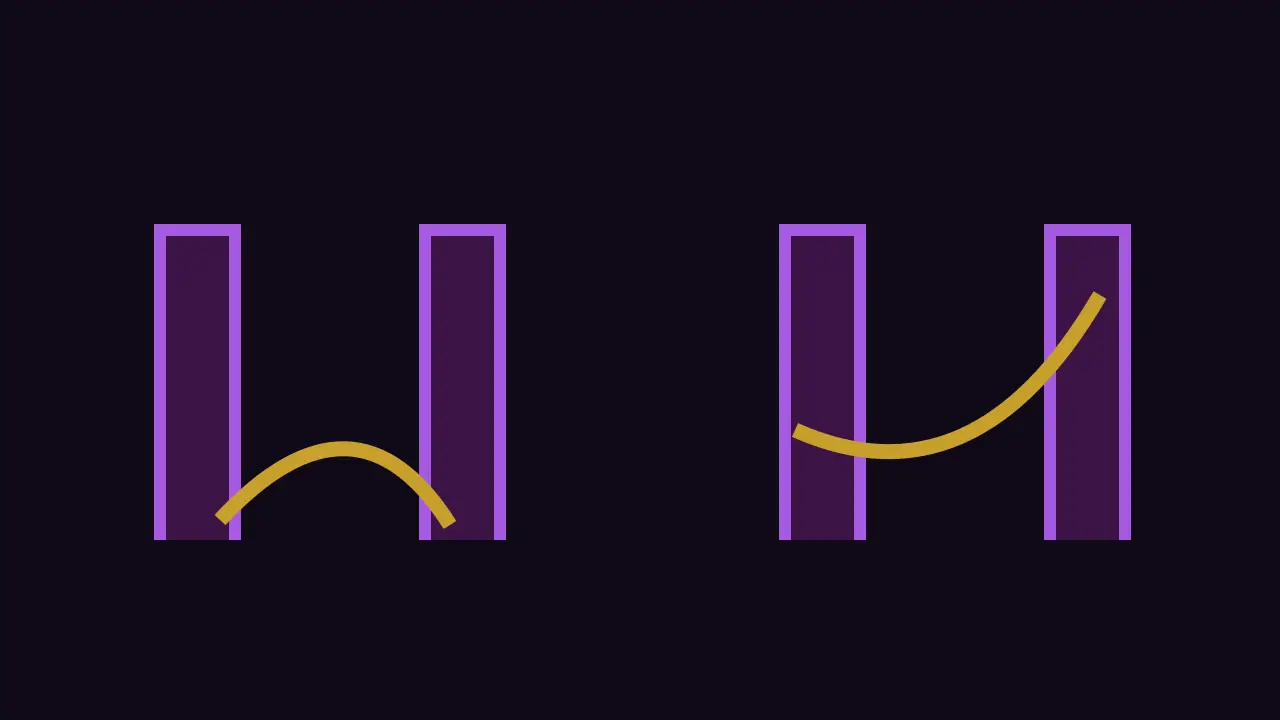
In Debt of the Quiet Nave, the knight can rest at a landing and leave a light facing the steps. Later, the same light can help someone recognize the refuge from above. What looked like an obvious place to stop on the way up can be hard to find after the view changes. This note tests which signs carry a checkpoint through the turn in the route.
Mark what was useful on arrival
At the lower landing, the player sees a niche set into the wall and a passage toward the nave. The niche is the usable place to rest. A pair of columns supports the passage beside it. Label the landing once on the first view. Its name stays in the return record. If the refuge adds a condition, place that line beside the name so the player can find the wording when it affects a later choice.
A person who skips the refuge should still be able to walk back past the landing. Keep the same architecture and change the small state mark. This makes taking a rest visible without turning it into a required event. In a short prototype, the difference can be whether a candle is in its tray and whether a separate line appears in the record. Both cues describe the same thing without having to match in strength.
Open a view from the high passage
On the upper route, offer a view into the nave. A player looking across the shaft should recognize the two columns before reading the small candle. This asks the architecture to establish which landing it is. The light confirms the state of that place if the player left one there. A player without the light can still see a route. If the drawing makes the niche disappear altogether, the two routes stop being comparable from that view.
Ask which descent the player expects to reach the lower landing. The high opening leads back toward the same columns. A side staircase bypasses the niche and returns at a different level. Preserve a fragment of the side view in the next frame so the descent follows a believable sequence. Test with a clear map first and add the vow afterward. If a player gets lost before the condition matters, the checkpoint rule is not where the design needs work.
Recover the context at the return
On the way down, the player may be drawn toward a new opening. Show the name of the earlier landing near the rail where its path can be inspected. The refuge’s mark can include a short link to the recorded condition. Let the player trace that information back to the moment they stopped there. We want them to route around an agreement if they choose, with enough information to know what the alternative gives up.
Repeat with someone who did not rest. The label still names the landing, but there is no entry for a promise they never made. Compare which route they take and what they expected to find. If both runs produce the same explanation despite different choices, review how the turn’s information is presented. A different color on a marker cannot establish a mechanical difference on its own.
Keep the comparison open
Keep both drawings at a similar height and width.
The useful record shows an arrival and a return view from the prototype, with two sentences explaining the state. It leaves the player room to describe the route. A Pact in the Margin tests how the agreement itself can travel. The Bell Below the Landing uses familiar landmarks when a signal changes access instead.